Email: info@touchsh.com
User

Smarter Control, Smarter Industry — Experience the Future with Shanghai Senke
2025-05-21 16:54:00
Vicky
Detail
Low-power Fanless Design, New-generation Industrial Panel PC Reduces Equipment Maintenance Cost
2026-10-09 16:47:42
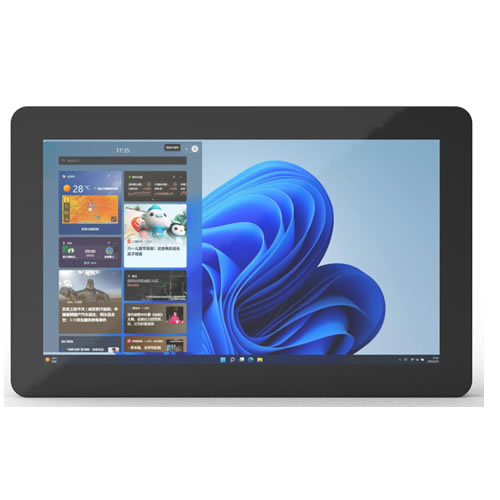
Traditional industrial PCs with cooling fans and hard drives require ongoing maintenance — fan replacement, filter cleaning, HDD failures, and thermal issues drive up total cost of ownership. The new generation of low-power fanless industrial panel PCs eliminates these maintenance points, reducing equipment maintenance cost while improving reliability and uptime.
Detail
Low-power Fanless Design, New-generation Industrial Panel PC Reduces Equipment Maintenance Cost
2026-10-09 16:47:27
Traditional industrial PCs with cooling fans and hard drives require ongoing maintenance — fan replacement, filter cleaning, HDD failures, and thermal issues drive up total cost of ownership. The new generation of low-power fanless industrial panel PCs eliminates these maintenance points, reducing equipment maintenance cost while improving reliability and uptime.
Detail
Low-power Fanless Design, New-generation Industrial Panel PC Reduces Equipment Maintenance Cost
2026-10-09 16:47:14
Traditional industrial PCs with cooling fans and hard drives require ongoing maintenance — fan replacement, filter cleaning, HDD failures, and thermal issues drive up total cost of ownership. The new generation of low-power fanless industrial panel PCs eliminates these maintenance points, reducing equipment maintenance cost while improving reliability and uptime.
Detail
Fanless Industrial Panel PCs Become Mainstream Development Direction for Industrial Automation
2026-09-23 18:13:53
Senke Electronic Technology
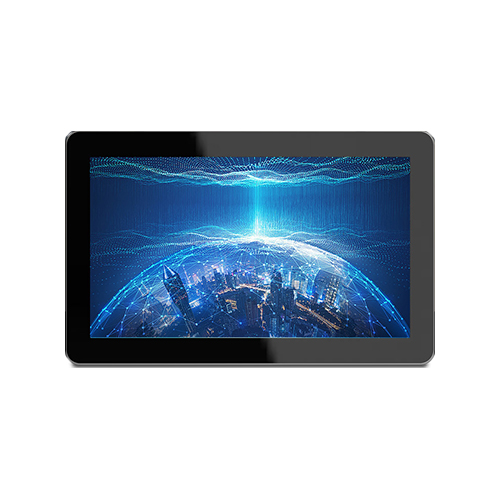
Fanless industrial panel PCs have emerged as the mainstream development direction for industrial automation, marking a fundamental shift from fan-cooled to passive-cooling industrial computing. This article examines why fanless design has become the standard: (1) The cooling fan is the #1 failure point in industrial PCs — bearing wear, dust clogging, and vibration damage cause premature failure; (2) Fans require ventilation openings, which break dust/water sealing and prevent true IP65+ protection; (3) Advances in low-power ARM and Intel Celeron processors (5–25W TDP) make fanless cooling feasible for most HMI and control applications; (4) Improvements in thermal design — copper heat pipes, thermally conductive aluminum enclosures, and optimized heat dissipation — enable efficient passive cooling even at higher performance levels; (5) Fanless design delivers zero maintenance, longer service life (7–10+ years), silent operation, and full environmental sealing — all critical for 24/7 industrial operation. The article covers the transition from fan-cooled to fanless across application areas — machine HMI, MES terminals, production monitoring, food & beverage washdown, mining, outdoor, and energy — and notes that fanless is now the default specification for new industrial automation projects. It concludes with Senke's fanless industrial panel PC lineup (7"–27", IP65, wide-temperature, rich I/O, Android/Windows/Linux) and how fanless design is the foundation of reliable industrial computing for the smart factory era.
Detail
Overseas Project Case: Industrial Display Solution for Intelligent Equipment
2026-09-21 17:04:36
Senke Electronic Technology
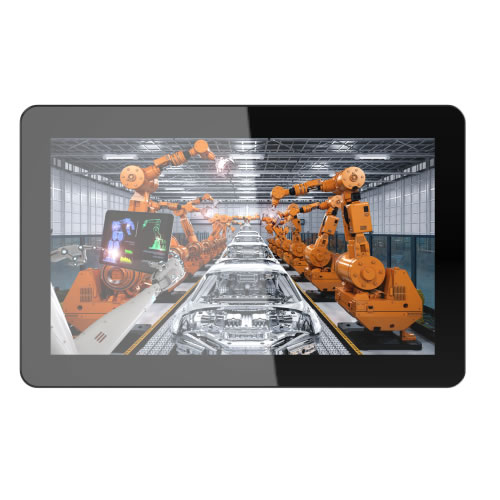
This overseas project case study covers Senke's industrial display solution for a European intelligent equipment manufacturer specializing in automated sorting and material handling systems. The customer's machines were deployed across 12 countries in Europe, the Middle East, and Southeast Asia, requiring displays that could survive diverse environments — from cold Nordic warehouses to hot Middle Eastern logistics hubs — while maintaining consistent user experience and global support. The customer had been using off-the-shelf displays that suffered from inconsistent quality, frequent failures, and lack of long-term supply. Senke delivered a fully customized solution based on its 15.6-inch fanless industrial panel PC: modified I/O layout (dual RS485, dual Ethernet, GPIO), custom-branded aluminum enclosure with customer logo, Android 11 with pre-installed HMI application in kiosk mode, custom boot screen, and a 7-year product lifecycle supply commitment. After 24 months of deployment across 300+ machines in 12 countries: zero display-related field failures, 100% consistent user experience across all deployments, reduced service costs due to standardized platform, and positive end-customer feedback on display clarity and touch responsiveness. The case demonstrates how customized industrial display solutions — with global supply commitment, environment-hardened design, and OEM/ODM flexibility — enable intelligent equipment manufacturers to scale internationally with confidence.
Detail
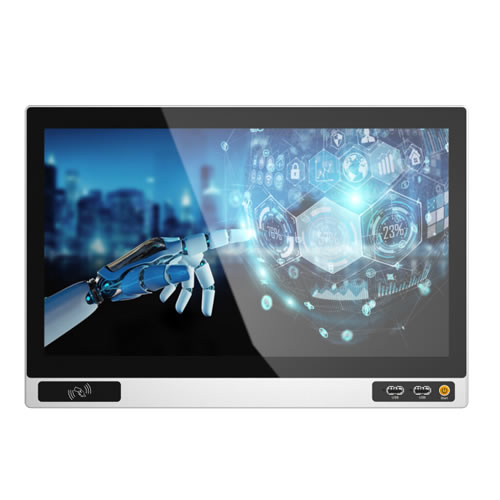
Successful Project: Industrial Touch Monitors Applied to Production Line Control
2026-09-20 17:49:52
Senke Electronic Technology
This project success story covers the deployment of Senke industrial touch monitors across 12 automotive component assembly lines. The customer was experiencing chronic touchscreen failures: consumer-grade displays could not withstand factory dust, oil mist, high temperatures, and 24/7 operation, causing intermittent touch response, screen dimming, and unexpected shutdowns. Senke supplied its 15-inch and 17-inch fanless industrial touch monitors with IP65 front panels, projected capacitive (PCAP) 10-point multi-touch supporting gloved operation, wide-temperature -10°C to 60°C operation, and rich industrial I/O (RS232, Ethernet, USB). The monitors were panel-mounted on assembly line control consoles, running the customer's HMI and MES interface. After 18 months of continuous operation: zero touch-related failures, 40% reduction in line downtime attributable to HMI issues, faster operator response due to responsive multi-touch, and elimination of monthly maintenance visits. The project demonstrates how industrial-grade touch displays — fanless, IP65-sealed, glove-friendly — deliver measurable reliability and productivity improvements in demanding production line control environments.
Detail
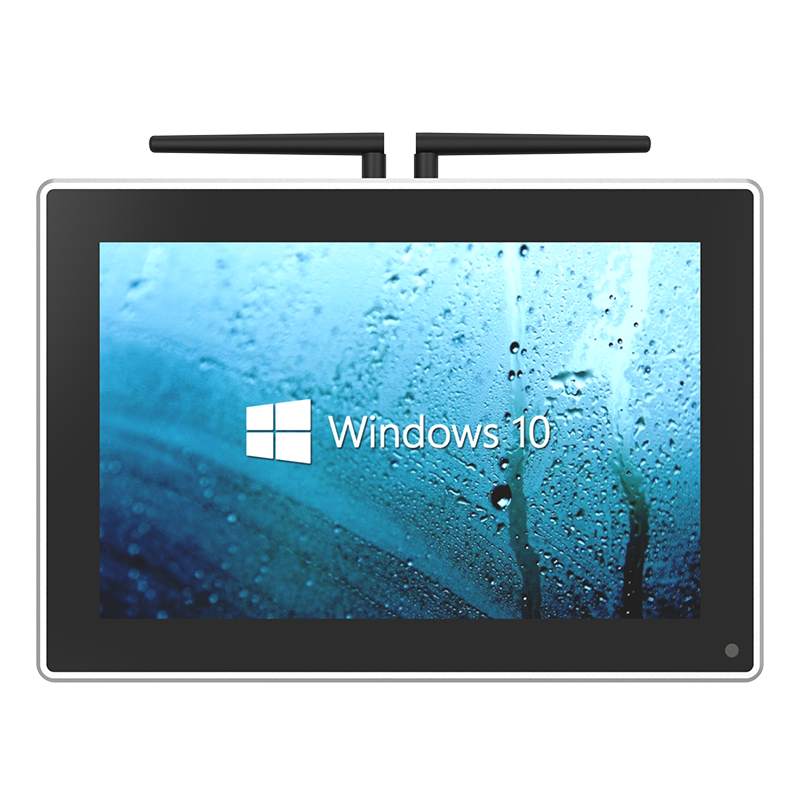
High Brightness Industrial Monitor for Outdoor & Bright Workshop Conditions
2026-09-17 18:02:07
Senke Electronic Technology
Standard industrial displays (250–400 nits) are unreadable in direct sunlight or near factory windows. Senke's high-brightness industrial monitors solve this with 1000–1500 nits luminance (up to 5x brighter than standard), anti-glare (AG) surface treatment, and full-lamination optical bonding to eliminate air-gap reflection. Fanless passive cooling manages the additional heat, while IP65 front panel protection and wide-temperature operation ensure reliable outdoor and bright-workshop operation. Available in 7"–27" sizes for outdoor signage, EV charging, smart city kiosks, mining, construction, and sun-facing factory windows. Custom brightness up to 2500 nits available.
Detail
Requirements for Industrial Control Equipment in New Energy Vehicle Factories
2025-03-05 10:59:48
Vicky
Senke
Detail
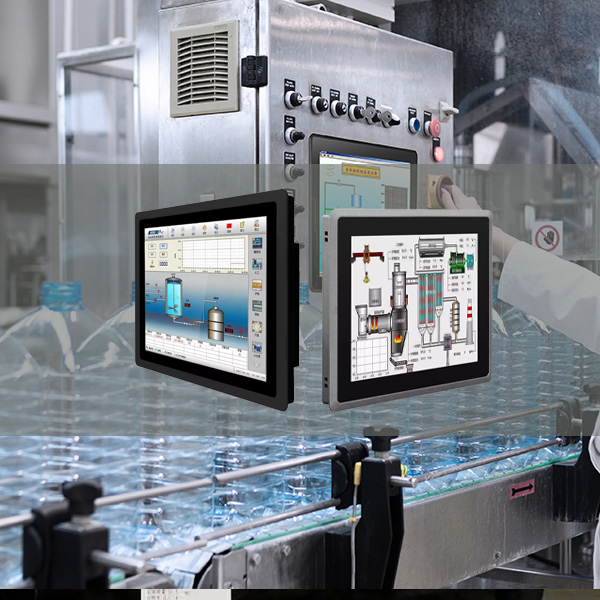

Senke Electronic is a manufacture of industrial panel pc, industrial box pc, rugged tablet, kiosk payment and digital display advertising.